Logistics
From Post to Platform: Building the Global Logistics OS
Trusted networks can become the intelligent infrastructure for physical commerce.

Postal networks already connect almost every household and business. Their next strategic advantage will not come from moving more parcels through isolated systems, but from turning trusted reach, operational data and physical assets into a shared platform. A global logistics operating system begins with common meaning: ontologies that let organizations, software and agents understand locations, events, commitments and exceptions in the same way.
On that foundation, governed agents can predict disruption, coordinate capacity and propose action across institutional boundaries. The crucial design choice is federation. Participants must retain authority over their data and decisions while contributing enough intelligence to improve the system for everyone. Identity, permissions and traceability therefore matter as much as prediction.
The result is a shift from post as a delivery channel to post as critical infrastructure for physical commerce. Networks become more resilient, small businesses gain better access and public institutions preserve a trusted role in a rapidly automating economy. The winners will be ecosystems that make cooperation practical without making control disappear.
The horizon
A future worth building
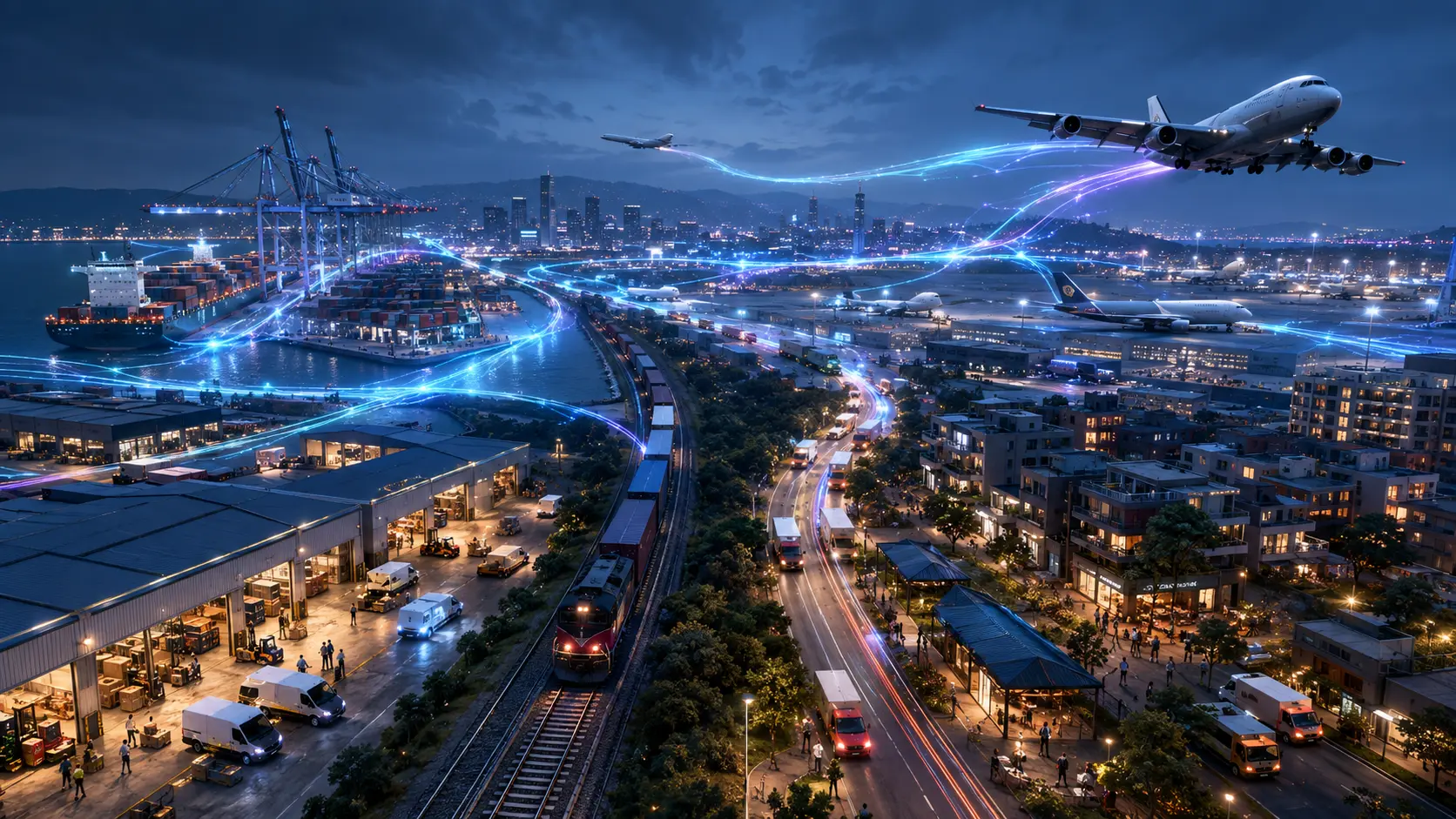
Imagine every parcel, vehicle, hub and border crossing contributing to a living picture of physical commerce—one that helps trusted institutions anticipate shocks, unlock trade finance and coordinate movement across the planet. The postal network stops being the last mile of someone else’s platform and becomes the sovereign control plane of the physical economy.
Continue in the book
There’s much more in From Post to Platform
This article is only the beginning. From Post to Platform expands the argument into a practical blueprint for how postal networks can become the trusted operating system for AI-native physical commerce.
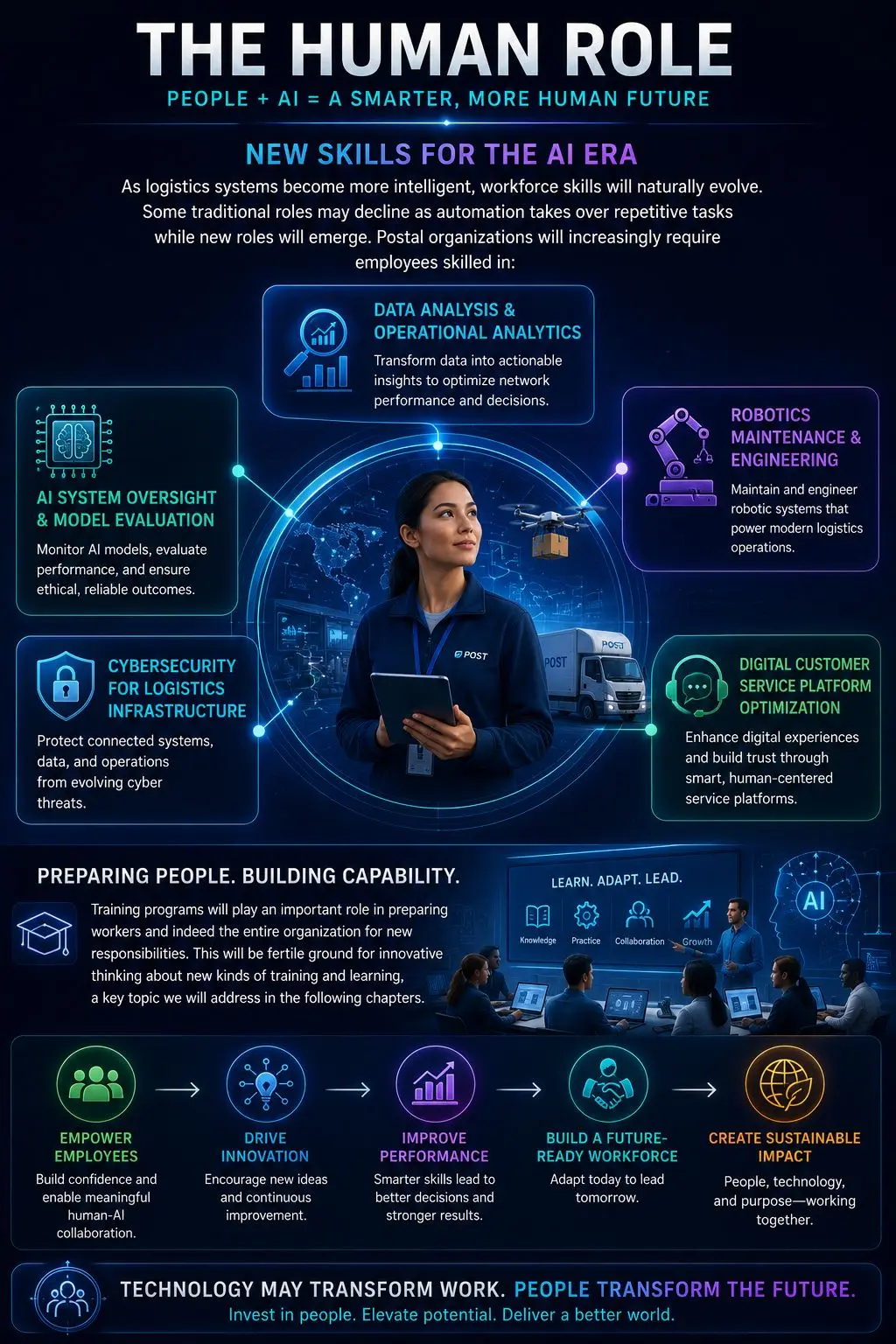
The book explores the human role, workforce transition, sovereign agentic data, interoperability, trade finance, governance and the path from isolated automation to a shared logistics intelligence layer.
Discover the full book